
Luxury brands bet on $160 lipsticks and $1,400 accessories to combat industry slump
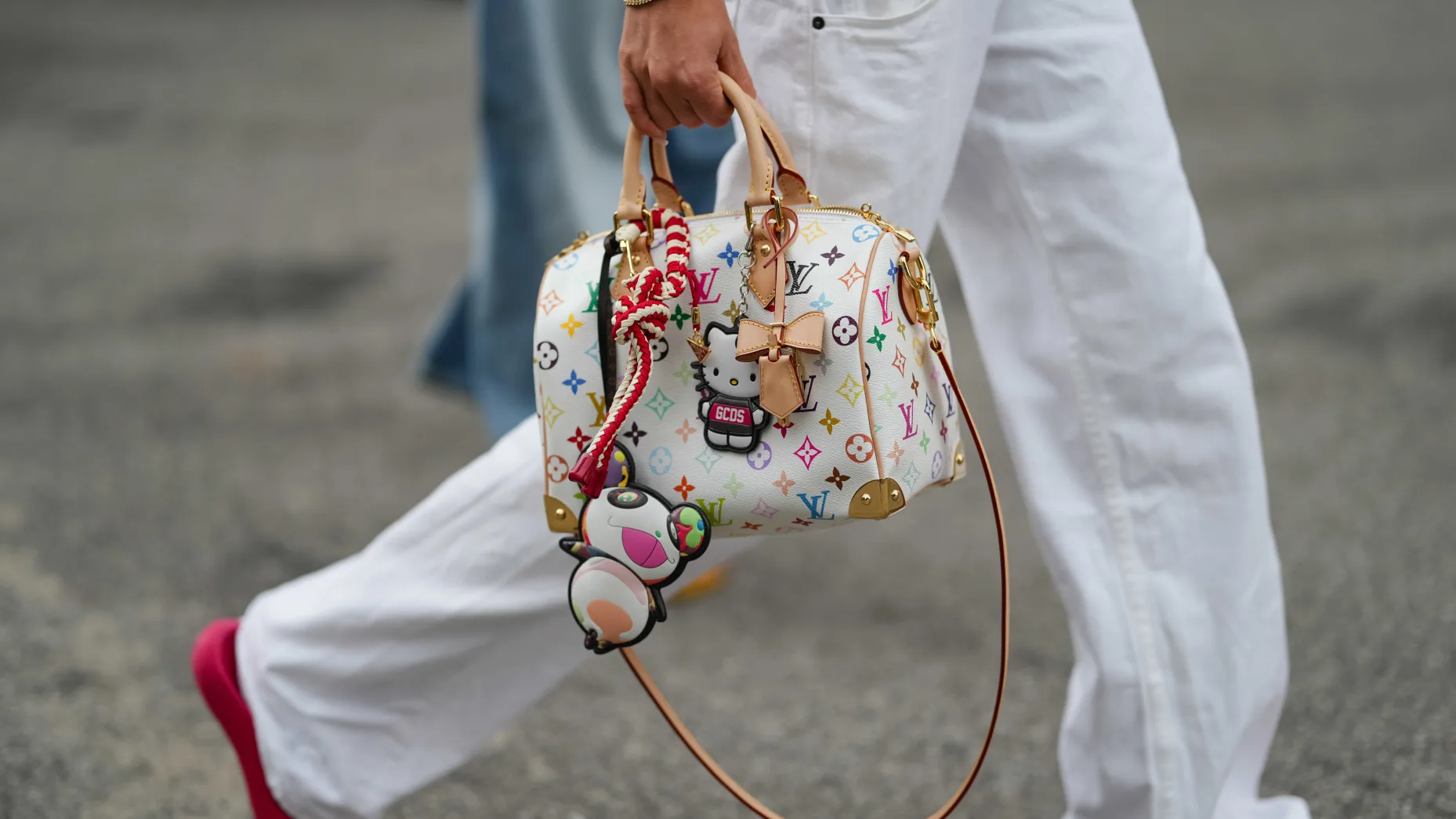
A red and white braided accessory with a Hello Kitty Charms and a Panda Superflat Louis Vuitton X Murakami keychain is attached to a Louis Vuitton bag.
Facing a cooling global demand, major luxury houses are steering their strategy towards ultra-luxury, small-item offerings. From lipsticks exceeding $160 to miniature leather goods priced over $1,400, industry leaders are betting that sky-high prices on accessible categories will protect profits and attract aspirational shoppers amid an industry-wide slowdown.
The Strategy: "Affordable Luxury" Gets a Price Hike
The traditional entry-point for luxury clients—cosmetics, small leather goods, and accessories—is undergoing a dramatic price transformation. Analysts note this is a deliberate move to elevate brand perception and improve profit margins without relying solely on multi-thousand-dollar handbags or ready-to-wear. A $160 lipstick, for instance, carries a significantly higher margin than a standard $50 one, while still being within reach for a much broader customer base compared to a $5,000 bag.
Combating the Spending Slowdown
After years of explosive growth, the luxury sector is seeing softening sales, particularly in key markets like the United States and China. Consumers are becoming more selective. In response, brands are leveraging their most iconic symbols on these small, highly visible items. The goal is to drive frequent, impulse-driven purchases from both existing clients and new, younger demographics seeking a tangible piece of the brand dream, even as they hold off on bigger investments.
The Risk of Consumer Pushback
This aggressive pricing strategy is not without peril. Industry observers warn of potential "sticker shock" and brand dilution. As the price gap between an accessory and a core product narrows, some consumers may question the value proposition. "The danger is that the $1,400 cardholder makes the $3,000 bag seem less exclusive, or conversely, makes the cardholder itself seem absurdly priced," notes a retail analyst. Brands must carefully balance exclusivity with accessibility to avoid alienating their core clientele.
Outlook: A Focus on Iconic Value
For now, luxury giants appear confident that their most devoted customers will accept the new pricing for coveted items that serve as brand emblems. The success of this bet hinges on continuous marketing that reinforces unmatched quality, heritage, and status. If successful, these ultra-premium small goods will provide a crucial revenue cushion, helping the industry navigate the current market slump until the next cycle of major luxury spending returns.
Recent
News



Newsletter
Subscribe to our mailing list to get the new updates!

Subscribe our newsletter to stay updated
Most
Reviews
Finance

- Wed, 28 Jan 2026
Uber invests $500mn in Canada’s Waabi to accelerate robotaxi push
Markets

- Fri, 16 Jan 2026
WTI Oil recovers as Iran tensions ease, supply glut limits upside
Economy

Business

- Thu, 15 Jan 2026
U.S. freezes new immigrant visas for 75 countries: See the full list
Markets